

What is Pawarim Komuniti Partnerships?
Australia’s Pawarim Komuniti Partnerships program delivers off-grid renewable energy projects for rural and remote communities throughout Papua New Guinea. Our goal is to improve access to renewable energy for communities, schools and small businesses. Australia’s off-grid support in PNG is driven by the philosophy of ‘clean energy, brighter future’ to work with partners to:

Deliver access to clean energy services that have a positive impact on people in rural and remote communities

Deliver sustainable off-grid energy projects that are locally owned and led

Provide affordable, quality and clean energy solutions, with minimal environmental impact

Enable equitable and inclusive access to clean energy through integrating gender, disability and social inclusion into project design and implementation

Innovate and pilot new delivery models for solar technologies in PNG
The program's ground-breaking projects are built on partnership. We bring provincial and district governments, the private sector, development partners and local communities together in pursuit of a common goal - to bring clean, reliable electricity to Papua New Guinea's rural and remote communities.
Clean energy in PNG
Pawarim Komuniti Partnerships supports Papua New Guinea’s Medium Term Development Plan IV (2023 to 2027), which includes ambitious electrification targets – to connect 70% of the population by 2030 and 100% by 2050.
The plan emphasises the key role that clean, renewable energy generation – such as the solar technologies provided by Pawarim Komuniti Partnerships – will play in achieving these ambitious targets.
What is off-grid electrification?
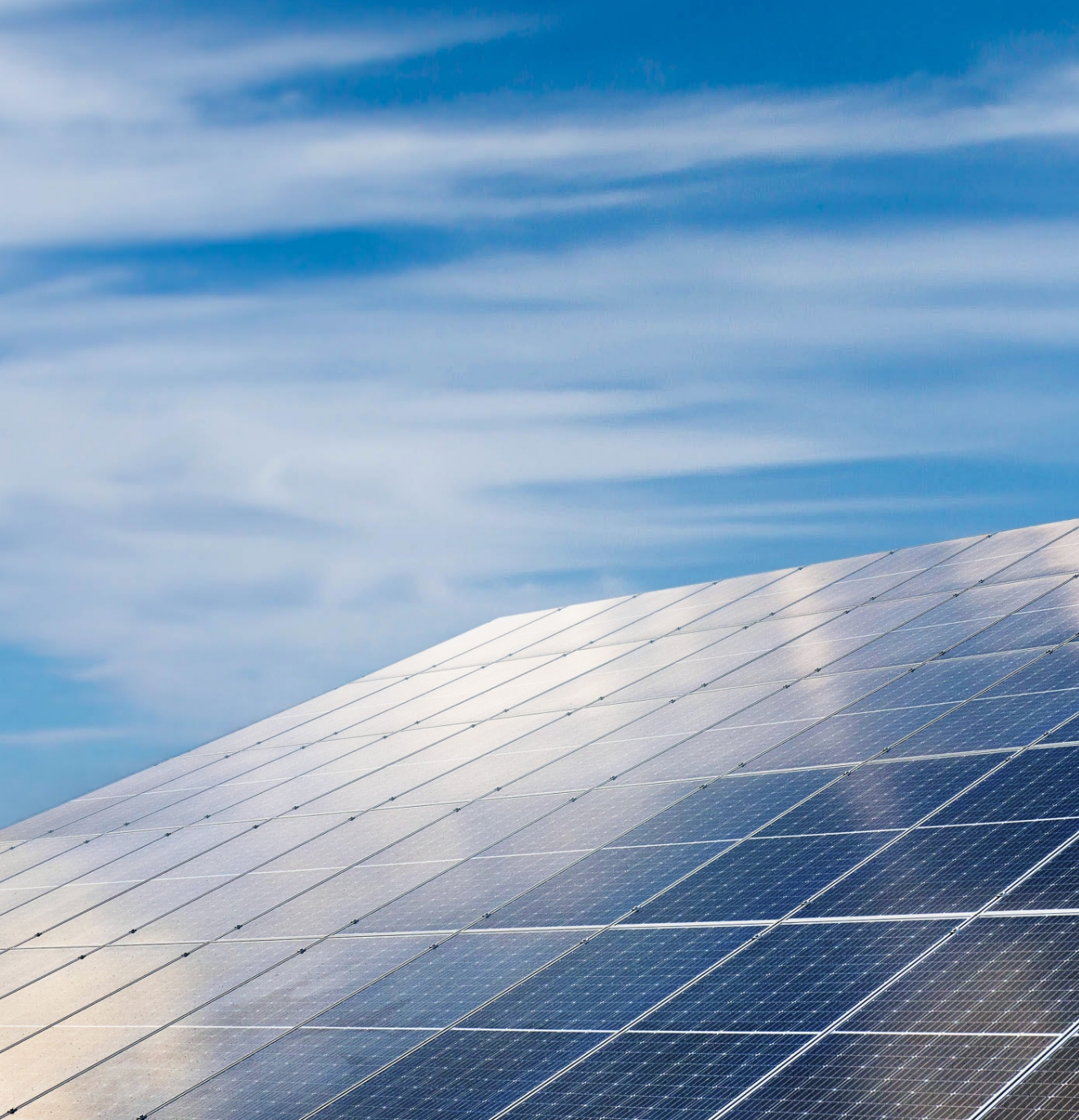
Off-grid electrification refers to standalone power systems that provide rural households, businesses and community facilities with clean energy.
Off-grid electrification is fast becoming the preferred means to connect people to electricity in countries like Papua New Guinea where communities are isolated, and the cost of grid connectivity is high.
Research highlights that for much of PNG’s population, off-grid, decentralised solutions will play a significant role in enabling access to energy in rural areas, and it may well remain the most appropriate option for the near and medium term.
80% of PNG’s population lives in remote towns and communities with limited access to essential services. Increasing access to electricity will:
- help improve living standards
- enable government and civil society to deliver improved education and health services
- strengthen access to affordable, nutritious food
- foster economic growth in the private sector, especially through enhancing income generation opportunities for micro, small and medium enterprises
- improve safety and security at night through improved street lighting